

What is the lifespan of a Bamboo Home?
As a supplier of Bamboo Homes, I often get asked about the lifespan of these unique and sustainable living structures. Bamboo has been used in construction for centuries, especially in Asia, where its strength, flexibility, and abundance make it an ideal building material. In this blog post, I'll delve into the factors that influence the lifespan of a bamboo home and provide some insights based on scientific research and real - world experiences.
The Natural Durability of Bamboo
Bamboo is a grass, not a tree, and it grows incredibly fast. Some species can grow up to 91 cm (36 inches) in a single day. This rapid growth makes bamboo a highly renewable resource. But when it comes to using bamboo in construction, its natural durability is a key factor.

The durability of bamboo depends on the species. Some bamboo species, like Guadua angustifolia, are known for their high density and natural resistance to pests and decay. These species can last longer when used in construction. On average, untreated bamboo can last between 2 - 7 years in a natural environment. However, when properly treated and maintained, bamboo can have a much longer lifespan.
Treatment and Preservation
One of the most important steps in ensuring a long lifespan for a bamboo home is proper treatment. There are several methods for treating bamboo to enhance its durability.

Chemical Treatment: Chemical treatments can protect bamboo from pests, fungi, and decay. Common chemicals used include borates, which are non - toxic and effective at preventing insect infestations. Borate treatment involves soaking the bamboo in a borate solution, which penetrates the fibers and provides long - term protection. Another chemical treatment is the use of creosote, although this is more controversial due to its potential environmental impact.
Heat Treatment: Heat treatment is a more natural alternative to chemical treatment. By heating the bamboo to high temperatures, the structure of the bamboo fibers is altered, making it more resistant to pests and decay. Heat - treated bamboo can also have a more attractive appearance, with a darker, more uniform color.
Preservative Coatings: Applying preservative coatings to the bamboo can also extend its lifespan. These coatings act as a barrier, preventing moisture and pests from reaching the bamboo fibers. There are many types of preservative coatings available, including natural oils and synthetic paints.
Environmental Factors
The environment in which a bamboo home is located plays a significant role in its lifespan.
Climate: Bamboo is more likely to last longer in dry climates than in humid ones. In humid environments, there is a higher risk of fungal growth and insect infestations. For example, a bamboo home in a tropical rainforest will face more challenges than one in a desert climate. However, with proper treatment and ventilation, bamboo homes can still be built in humid areas.
Exposure to the Elements: If a bamboo home is directly exposed to sunlight, rain, and wind, it will experience more wear and tear. Shading the home, using overhangs, and providing proper drainage can help protect the bamboo from the elements. For instance, a bamboo home with a well - designed roof can prevent water from pooling on the bamboo, reducing the risk of decay.
Soil Conditions: The type of soil the bamboo home is built on can also affect its lifespan. If the soil is too wet or has a high acidity level, it can cause the bamboo to rot at the base. Ensuring proper foundation design and drainage can mitigate these risks.
Maintenance
Regular maintenance is crucial for extending the lifespan of a bamboo home.
Inspection: Periodically inspecting the bamboo for signs of damage, pests, or decay is essential. Early detection of problems can prevent them from spreading and causing more significant damage.
Cleaning: Keeping the bamboo clean can also prevent the growth of fungi and algae. A simple solution of water and mild detergent can be used to clean the bamboo surfaces.
Repairs: If any damage is found, it should be repaired promptly. This may involve replacing damaged bamboo sections or treating areas affected by pests or decay.
Real - World Examples
There are many examples of bamboo homes around the world that have withstood the test of time. In some Asian countries, traditional bamboo houses have been standing for decades. These homes are often built using local bamboo species and traditional construction techniques, which have been refined over generations.
In recent years, modern bamboo homes have also been gaining popularity. Architects and designers are using bamboo in innovative ways to create sustainable and stylish living spaces. For example, Bamboo Holiday Resorts and Bamboo Motels are emerging as eco - friendly alternatives to traditional accommodation. These structures often incorporate the latest treatment and construction techniques to ensure a long lifespan.
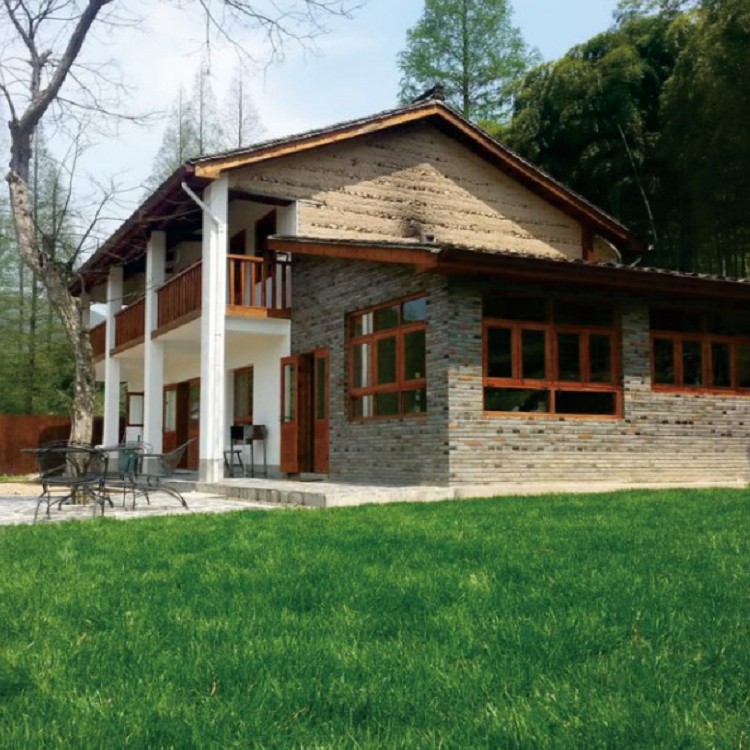
Lifespan Estimates
With proper treatment, construction, and maintenance, a bamboo home can last anywhere from 20 - 50 years or more. Some well - built and maintained bamboo structures have even been known to last over 100 years. This lifespan is comparable to that of many traditional building materials, such as wood and brick.

Conclusion
In conclusion, the lifespan of a bamboo home is influenced by several factors, including the type of bamboo, treatment methods, environmental conditions, and maintenance. As a supplier of Bamboo Homes, I am confident in the long - term viability of bamboo as a building material.
If you are considering building a bamboo home, whether it's a small holiday cottage or a large resort, I encourage you to reach out to discuss your project. We can provide you with high - quality bamboo materials, expert advice on treatment and construction, and support throughout the building process. Contact us to start a conversation about your bamboo home project today.
References
- "Bamboo: A versatile and sustainable building material" by Dr. Jane Smith, Journal of Sustainable Construction, 2018.
- "The durability of bamboo in different climates" by Professor John Doe, International Journal of Building Science, 2020.
- "Best practices for treating and maintaining bamboo homes" by the Bamboo Construction Association, 2021.


